
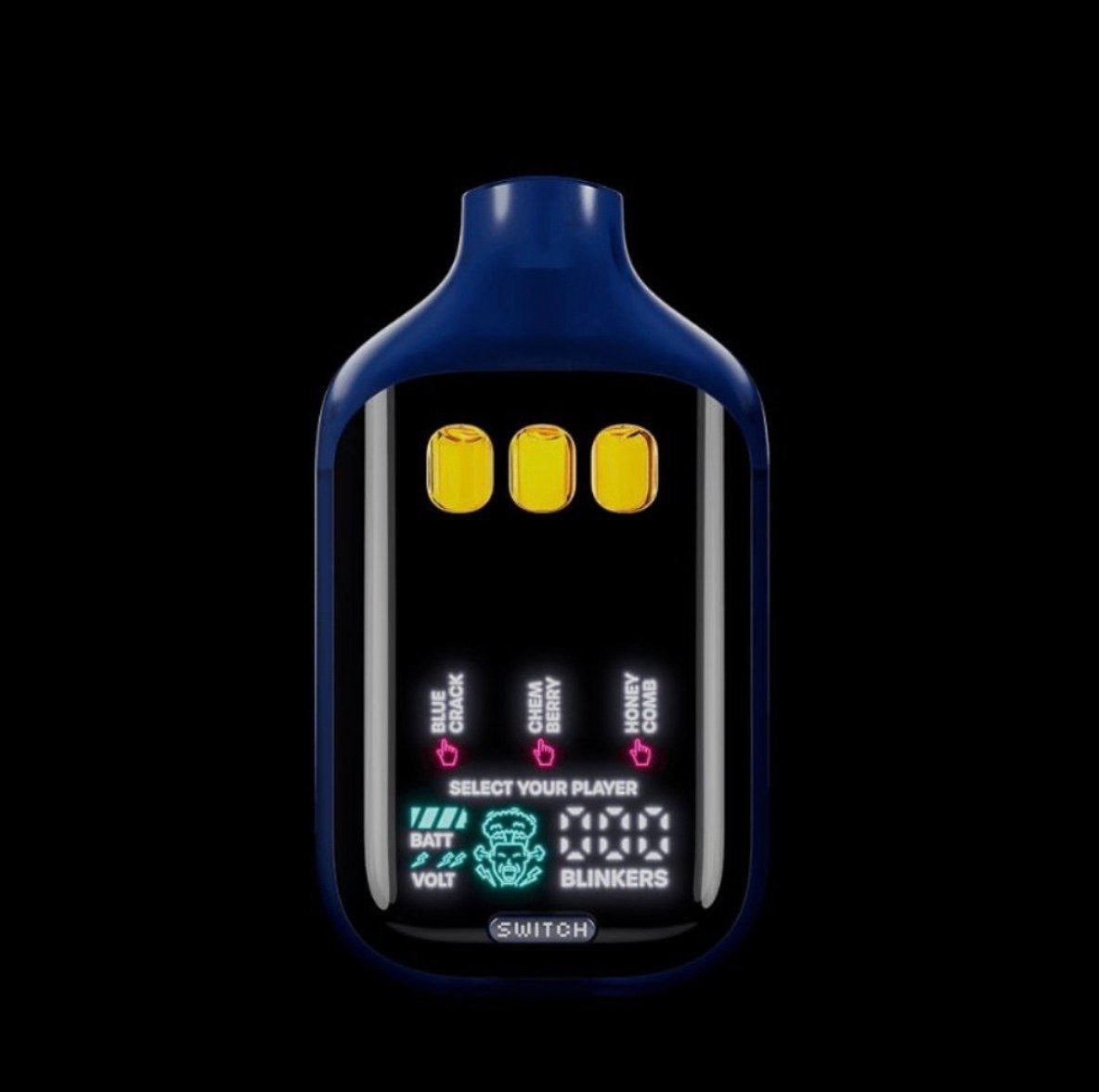
Blue Crack x Chem Berry x Honeycomb: Berry Across Three Registers
Berry runs through two of these three chambers, which sounds repetitive until you taste them side by side. One is bright and clean, one is berry wrapped around a chemical core, and the third abandons berry entirely for warm honey. The device works because those are three genuinely different things rather than three shades of the same one.
Blue Crack: Bright and Fast
Blue Crack combines blueberry genetics with a fast, energetic lineage, and both halves are audible in the profile.
The flavor is clean blueberry — fresh rather than jammy, with a light tartness and no artificial edge — sitting over a faintly sweet, slightly herbal base. There is no density here and no lingering finish; the profile arrives, registers clearly, and clears.
Limonene and terpinolene drive the top end. Myrcene is minimal, which is exactly why the chamber reads as quick and clear-headed rather than settling.
This is the daytime chamber and the most heat-sensitive of the three. The clean berry character depends on light compounds that a hot coil removes first.
Chem Berry: Fruit With a Chemical Spine
Chem Berry is the most divisive chamber and the most interesting. The chem lineage contributes something that is genuinely difficult to describe pleasantly — a sharp, solvent-adjacent pungency that sits underneath the fruit and refuses to be ignored.
Above it sits a darker berry than Blue Crack offers, closer to blackberry, with more sweetness and considerably more body.
The combination produces real tension. The berry alone would be forgettable; the chem note alone would be austere. Together they hold your attention in a way neither would separately, because your palate keeps registering the contradiction within a single draw.
Caryophyllene supplies the pungency, limonene the fruit brightness, and moderate myrcene the body. If you have found fruit profiles too easy and dessert profiles too sweet, this is the chamber to try.
Honeycomb: Warm and Unrelated
Honeycomb is the outlier and it functions as the device’s relief valve.
The profile is warm honey with a waxy, faintly floral quality behind it — genuinely closer to honeycomb than to plain honey, which is a distinction that matters. Plain honey sweetness would be flat; the waxy floral element gives it structure.
Myrcene sits heaviest here and the chamber has noticeable weight. Linalool contributes the floral component, and there is enough caryophyllene for a faint warmth on the finish.
This is the closest thing to an evening profile in the device, and it clears the palate after Chem Berry more effectively than Blue Crack does.
How to Rotate
A device containing one demanding chamber and two approachable ones benefits from deliberate rotation rather than random switching.
Blue Crack early, while your palate is fresh enough to register its clean berry detail. Chem Berry through the middle of the day, when you have the attention for it. Honeycomb later, where its weight and warmth suit the end of the day.
Do not run Chem Berry immediately after Honeycomb. The chem pungency reads as harsh rather than interesting when your palate is still coated with honey sweetness, and people who try that order frequently conclude the chamber is unpleasant when it is simply out of sequence.
Rotate all three regularly regardless of preference, since extract that sits unused for weeks degrades slightly even in a sealed chamber.
Technique
Blue Crack sets the standard. Its clean berry character depends on light compounds that a hot coil destroys first, and once they are gone the chamber tastes like generic sweetness.
Draw for four to six seconds, slowly. Rest fifteen seconds between draws. Do not use the device warm from charging.
Chem Berry has the opposite risk. Its pungency is robust enough to tempt hot running, and running it hot pushes the profile from pungent into genuinely acrid while simultaneously burning off the berry that balances it.
Honeycomb is the most forgiving of the three but tastes better run gently regardless.
Setup, Charging and Storage
Prime before first use by standing the device upright for several minutes so all three wicks saturate. A chamber you will not touch for weeks still needs its wick wet before its first firing.
Take one gentle draw after each switch to establish flow in the dormant airway.
All three chambers draw from a single cell over USB-C. Charge in short sessions with a modest adapter rather than overnight on a fast-charging brick, since the cell sits directly against your extract.
Store upright, cool, and out of direct sunlight.
Related Devices
For a V5 combination without any pungent chamber, Italian Ice x Lemon Cherry x Z Runtz stays sweet throughout. For chem and diesel character in a two-chamber device, NYC Sour x Lemon Head is more focused. For berry with a dessert counterweight, Oreoz x Blueberry covers that ground.
Frequently Asked Questions
What does chem actually mean? It refers to the Chemdawg lineage and signals a sharp, solvent-adjacent pungency. It is an acquired taste that people tend to seek out once acquired.
Is Chem Berry harsh? Only when run hot. At a gentle setting the pungency stays interesting rather than punishing.
Which chamber is the evening option? Honeycomb, comfortably. It carries the most myrcene weight of the three.
Why does my Blue Crack taste ordinary? Heat has removed the light compounds that made the berry read as fresh. Slow your draws and lengthen the intervals.
For adult use only. Must be 21 or older to purchase. Keep out of reach of children and pets. Do not drive or operate machinery after use. These statements have not been evaluated by the FDA and this product is not intended to diagnose, treat, cure, or prevent any disease.
Order of Tasting Matters More Than People Think
The advice above about not running Chem Berry after Honeycomb is a specific instance of something worth understanding generally, because it affects every multi-chamber device.
Your palate carries residue. Sweet, fatty, and dense flavors leave a coating that persists for several minutes, and anything you taste during that window is filtered through it. This is why the same chamber can seem excellent one moment and disappointing twenty minutes later without anything having changed in the device.
The general principle is to move from lighter and sharper toward heavier and sweeter, not the reverse. A bright acidic profile after a dense creamy one reads as thin, because the acidity is competing with residue rather than landing on a clean palate. The same profile before the creamy one reads as vivid.
Professional tasting in wine and coffee follows exactly this ordering for the same physiological reason, and it applies just as well here. If you have ever concluded that a chamber was disappointing, it is worth retrying it first thing rather than after something heavy. A surprising number of profiles that seemed unremarkable turn out to have been assessed in the wrong order.
Be the first to review “BOUTIQ SWITCH V5 BLUE CRACK x CHEM BERRY x HONEYCOMB”
Related products

Boutiq Switch V6
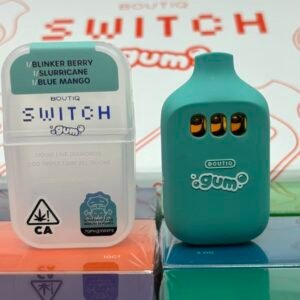
Boutiq Switch Gum Edition
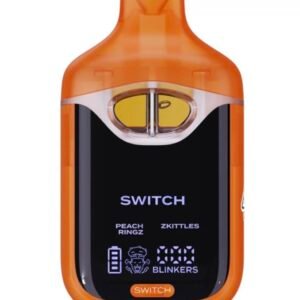
Boutiq Switch V4

Boutiq Switch V5
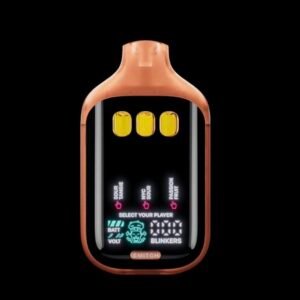
Boutiq Switch V5
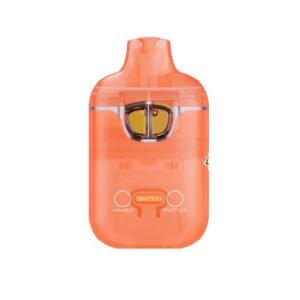
Boutiq Switch V3
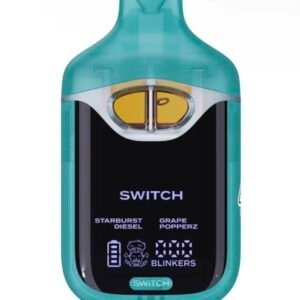
Boutiq Switch V4
Boutiq Switch V4
Reviews
There are no reviews yet.