
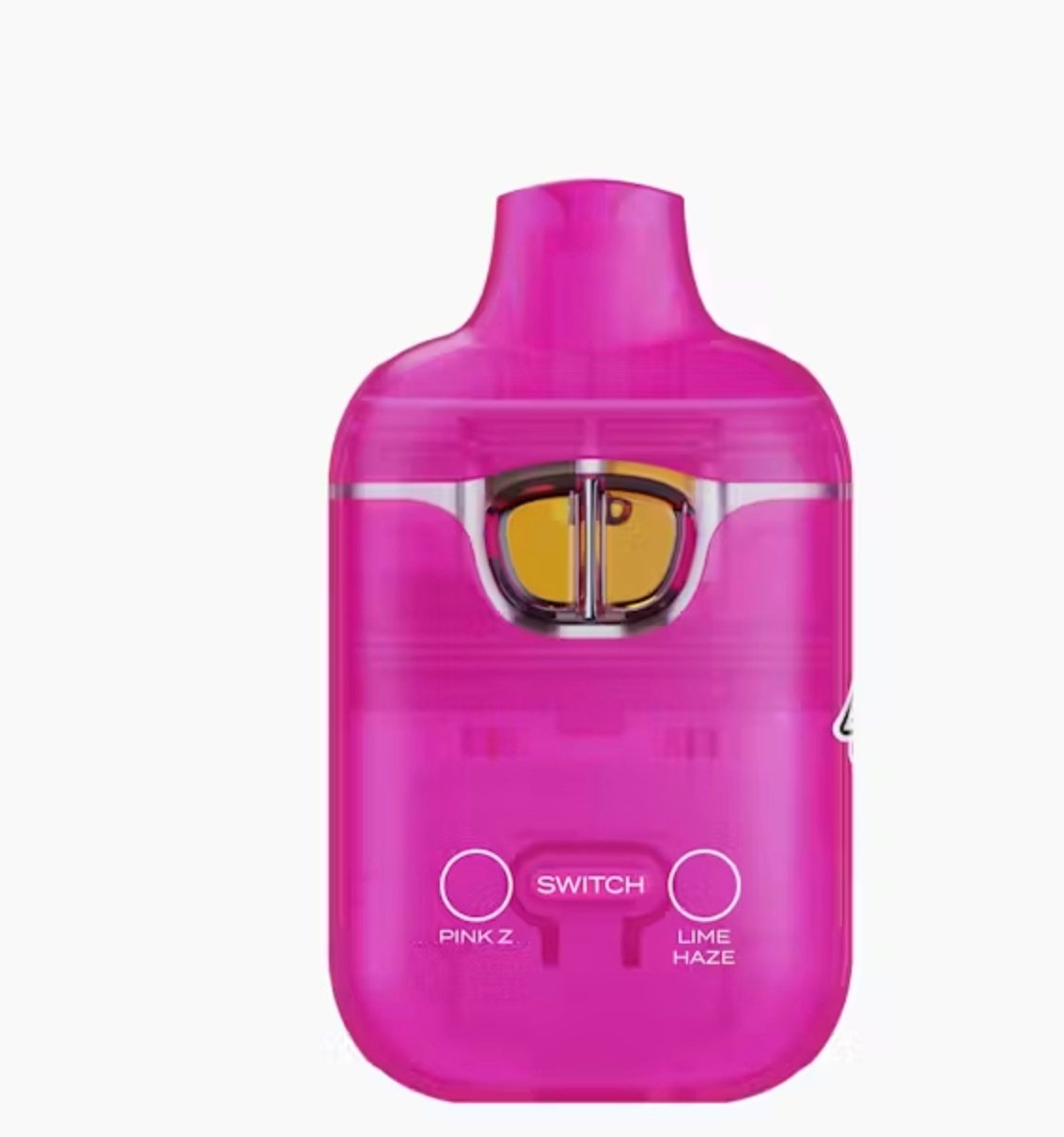
Lime Haze x Pink Z: Two Genetic Families in One Device
This pairing is best understood through genetics rather than through flavor description, because the two chambers come from lineages with very different characteristics. One is a haze. The other belongs to the Z family. Knowing what each lineage reliably produces tells you more about the device than any tasting note.
What Haze Genetics Reliably Deliver
Haze varieties have carried a consistent signature for decades, and it is one of the few flavor characteristics in cannabis genuinely tied to lineage rather than to processing technique.
That signature is a bright, piney, faintly floral sharpness driven by terpinolene, and it arrives with a distinctly herbal quality that separates haze profiles from simple citrus ones. In Lime Haze it presents as lime — but a green, zesty, rind-forward lime rather than a sweet one, with a peppery edge running underneath.
Haze lineages also reliably produce a clear-headed, forward character. If a strain claims haze parentage and lands heavy and settling, that is a signal something in the sourcing does not match the label.
This is the daytime chamber and it is emphatically not sweet.
What the Z Family Delivers
The Z family — the lineage behind Zkittles and its many descendants — produces something quite different and equally consistent. These strains reliably deliver layered candy sweetness with a soft, rounded body and none of the herbal edge that haze varieties carry.
Pink Z fits that description precisely. The profile is soft pink fruit — berry and a suggestion of floral sweetness — with a clean sugary finish and a body that is fuller than the haze chamber without becoming heavy.
Limonene leads, with linalool contributing the floral note that gives the profile its pink character rather than a generic berry one. Myrcene sits moderately, enough to provide body without pulling the profile toward sedation.
Z-family strains are notably approachable, which makes this the easier of the two chambers and the one most people will use more often.
Why This Pairing Works
Haze and Z sit at genuinely different points on the herbal-to-sweet axis, which means the transition between chambers is obvious rather than subtle. You always know which side you are on.
There is also a useful complementarity in how they finish. Lime Haze finishes dry and clean. Pink Z finishes sweet and slightly lingering. Alternating between them prevents either sensation from becoming monotonous, which is the practical argument for any switching device.
Both chambers lean toward the lighter end, so this device suits daytime use overall. If you need a heavy evening option, King Louis OG x Italian Ice covers that ground within the same generation.
The Chamber That Sets Your Technique
Lime Haze is the more demanding side, and calibrating your draw to protect it will comfortably cover the other chamber as well.
Terpinolene, the compound responsible for everything distinctive about haze profiles, is among the lightest and most volatile in cannabis. It is the first thing lost to a hot coil, and once it is gone the chamber tastes like ordinary lime sweetness — pleasant, but no longer a haze.
Practical consequences: draw slowly for four to six seconds, rest fifteen seconds between draws, and never use the device immediately after charging while it is still warm. Hard, fast, repeated hits are the fastest way to strip a haze chamber of the thing you bought it for.
Pink Z is considerably more forgiving. Its limonene and linalool base tolerates more heat before degrading noticeably, though it still tastes better run gently.
Hardware and Setup
Two grams total across two fully isolated chambers, each with an independent mesh coil and airway, recharged over USB-C. The V3 generation’s contribution is reliable sealing across the selector, which keeps the herbal and sweet profiles from bleeding into one another — a fault that would be immediately obvious with these two.
Prime before the first draw by standing the device upright for several minutes so both wicks fully saturate. Firing a dry wick carbonizes it permanently.
Take one gentle draw after switching chambers to establish flow in the dormant airway.
Charge in short sessions with a modest adapter rather than overnight on a fast-charging brick, and let the device cool before drawing afterwards. Store upright, cool, and out of direct sunlight — heat exposure removes the haze character first and does not give it back.
Where Else to Look
For lime haze paired with another citrus rather than a candy profile, Lime Haze x Lemon Hand on the V2 platform commits both chambers to that direction. For Z-family sweetness with a fruit counterpart, Mango x Zkittles is the closer match. For a sharper sour take on citrus, see NYC Sour x Lemon Head.
Frequently Asked Questions
What does Z mean in a strain name? It indicates descent from the Zkittles lineage, which reliably produces layered candy sweetness with a soft, rounded body.
Is Lime Haze sweet? No. It is zesty, herbal, and dry, closer to lime rind than to lime candy. Buyers expecting sweetness are frequently surprised.
Why does my haze chamber taste generic? Terpinolene has been lost to heat, either through hard draws, chain-hitting, or hot storage. It does not recover.
Which side will I use more? Most people use Pink Z more often because it is more approachable, and reach for Lime Haze when they want something clearer and less sweet.
Is this suitable for evening use? Not particularly. Both chambers read as bright and clear-headed rather than settling.
For adult use only. Must be 21 or older to purchase. Keep out of reach of children and pets. Do not drive or operate machinery after use. These statements have not been evaluated by the FDA and this product is not intended to diagnose, treat, cure, or prevent any disease.
A Note on Strain Names and What They Actually Guarantee
Strain naming in the extract market is inconsistent, and it is worth being clear-eyed about what a name does and does not promise.
A name does not guarantee a specific cannabinoid content, a specific effect, or even a specific genetic origin — naming conventions vary widely between producers and there is no central registry enforcing anything. Two products sharing a name from different sources can differ substantially.
What a name does usefully signal, within a single consistent producer, is which flavor family you are buying and roughly where on the light-to-heavy spectrum it sits. That is genuinely useful information even though it falls short of a specification.
The practical approach is to treat names as a guide to profile family, then verify potency and purity through batch-matched lab results rather than through the label. A certificate of analysis tied to the batch code on your specific unit is the only document that tells you what is actually in it. Any seller unwilling to produce one has answered a different question than the one you asked.
Be the first to review “BOUTIQ SWITCH V3 LIME HAZE X PINK Z”
Related products
Boutiq Switch V4
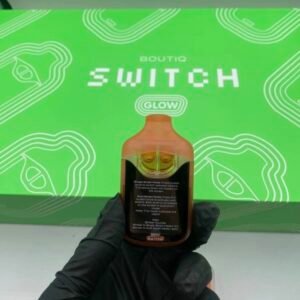
Boutiq Switch V4
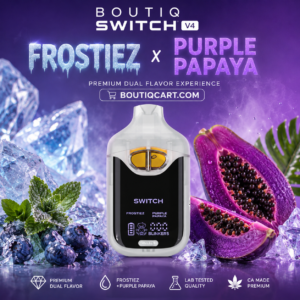
Boutiq Switch V4

Boutiq Switch ORB V5 Disposable
Boutiq Switch V3
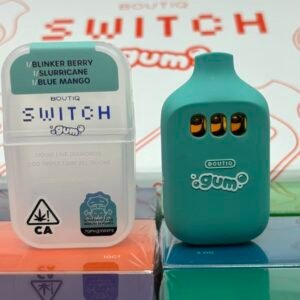
Boutiq Switch Gum Edition
Boutiq Switch V4
Boutiq Switch V4
Reviews
There are no reviews yet.